Boost Your Brand Presence With Professional Advertising Services for Optimal ROI
Brand visibility functions as a key importance in the prosperity of any organization. Expert advertising services can substantially improve this visibility, boosting profitability. By adopting multi-channel strategies, enterprises can reach defined market segments more effectively. However, the landscape of advertising is constantly evolving. Recognizing the nuances of tailored campaigns and evidence-based strategies is essential. What are the key elements that truly drive brand recognition and loyalty in today's fierce market?
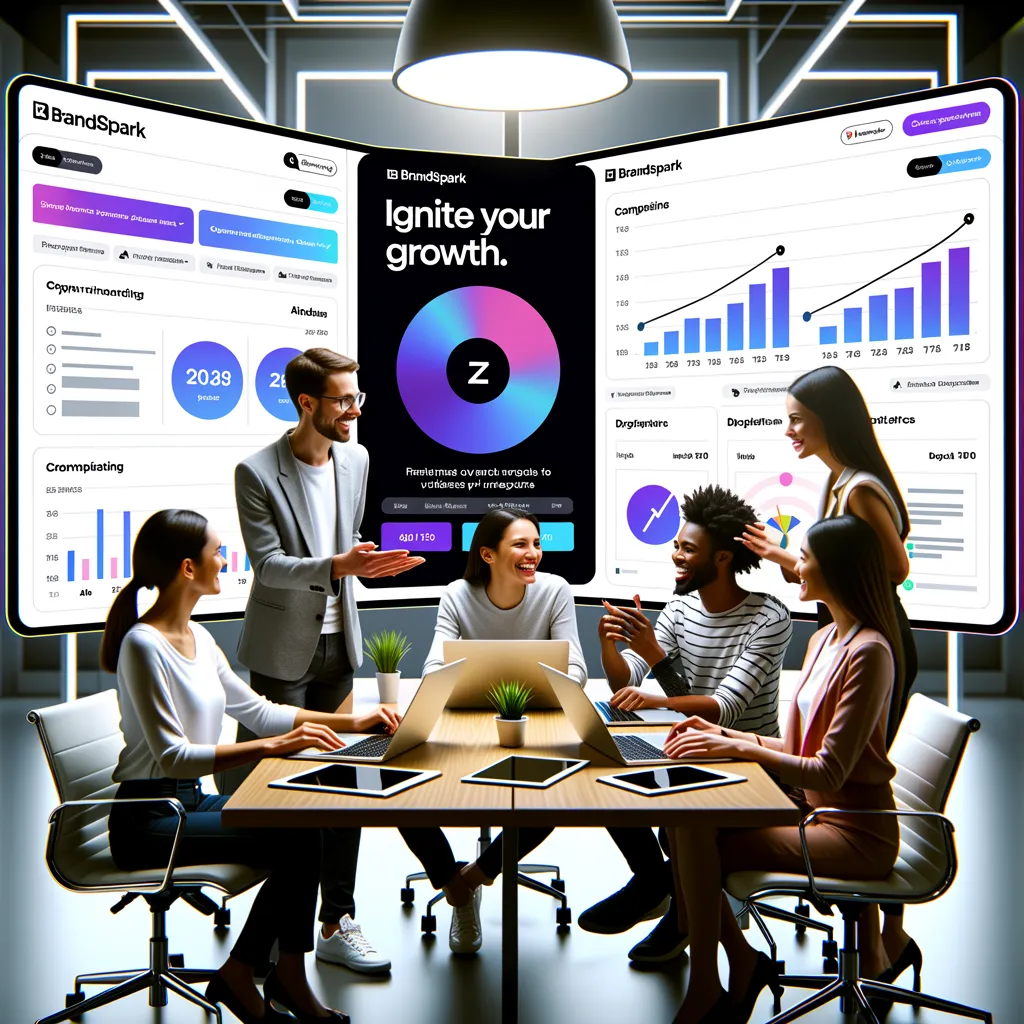
The Importance of Brand Presence in Marketing
In an increasingly competitive marketplace, the importance of brand awareness in promotional activities cannot be overstated. Effective brand visibility ensures that prospective buyers acknowledge and retain a brand amidst a sea of competitive alternatives. Increased visibility leads to increased awareness, which is critical for acquiring new clients and keeping current customers.
Whenever a brand demonstrates consistent presence across diverse channels—whether through established outlets, modern platforms, or social networks—it creates a influential standing that builds integrity and reputation. Shoppers show greater tendency to interact with companies they recognize, making visibility a key factor of purchasing decisions.
Moreover, solid industry presence supports competitive distinction, helping companies to demonstrate their special market advantages. In a landscape where consumers are flooded with choices, enterprises that competently boost their visibility can carve out a exclusive market territory, contributing to enhanced customer loyalty and at last, stronger business results. Therefore, prioritizing market presence is essential for long-term success.
How Experienced Ad Services Can Broaden Your Customer Base
Expert promotional solutions play a essential role in expanding brand reach by successfully connecting with intended customers. Through multi-channel advertising strategies, companies can connect with potential customers across multiple channels. Additionally, data-driven campaign optimization ensures that advertising efforts are regularly improved for maximum impact.
Particular Audience Involvement
Leveraging the capability of focused consumer interaction is crucial for companies aiming to expand their reach. Professional marketing services facilitate this connection by applying data-driven strategies that pinpoint specific demographics and consumer behaviors. By grasping the desires and requirements of their target audience, brands can tailor their communications to connect more effectively. This personalized approach not only strengthens consumer relationships but also increases the likelihood of sales. Communicating with the audience through pertinent materials and participatory initiatives fosters dedication and encourages word-of-mouth promotion. Furthermore, systematic evaluation and refinements based on audience feedback assure that advertising efforts maintain alignment with consumer interests, maximizing overall efficiency. Ultimately, focused consumer interaction is a critical factor in generating market awareness and achieving long-term expansion.
Multi-Channel Advertising Approaches
Effective omnichannel promotional strategies are vital for organizations hoping to scale their footprint in the current competitive marketplace. By activating assorted platforms—like social media, email outreach, search engines, and old media—organizations can reach diverse audience groups competently. Expert marketing services simplify the efficient union of these channels, confirming uniform messaging and branding efforts at every interaction point. This methodology reinforces brand recognition and makes possible targeted campaigns adjusted for specific demographics. As end-users engage with organizations through multiple channels, keeping a coordinated strategy is essential for increasing effectiveness. Using integrated tactics, companies can markedly increase their customer base, generating higher customer engagement and in the end raising ROI.
Data-Focused Campaign Improvement
While many brands realize the necessity of reaching their target audience, data-driven campaign optimization is vital for raising effectiveness and expanding reach. Expert advertising services leverage analytics to identify patterns in consumer behavior, enabling brands to tailor their messaging and strategies. By utilizing data from various channels, such as social media and email marketing, these services can pinpoint the most effective platforms and times to engage audiences. This targeted approach boosts engagement rates and drives conversions. Additionally, continuous monitoring and adjustment based on real-time feedback guarantee that campaigns remain relevant and impactful. Ultimately, data-driven optimization not only broadens brand visibility but also maximizes return on investment, making it a fundamental component of modern advertising strategies.
Finding the Perfect Marketing Strategy for Your Firm
In addition, analyzing competitors can yield valuable insights into powerful strategies within the industry. Budget constraints need to be weighed, as they influence the scope and type of advertising efforts. Businesses should explore various channels, from social media and email campaigns to traditional media, to determine the best fit. Finally, a personalized strategy that aligns with specific goals and audience preferences will maximize brand visibility and encourage engagement.
Methods for Calculating Your Marketing ROI
Calculating advertising ROI is critical for businesses attempting to comprehend the success rate of their promotional investments. To gauge ROI, companies can begin by computing the net revenue generated from a chosen advertising campaign. This requires tracking transaction amounts attributed to the campaign, often by way of unique promotional codes or purpose-built landing pages.
Next, organizations should figure out the complete expense of the promotional activities, including creative development, media buys, and any connected business expenses. The return on investment can then be calculated using the formula: (Revenue - Cost) / Cost. This indicator provides a straightforward understanding of the financial return on advertising spend.
Moreover, entities can employ tools and analytics platforms to obtain data, ensuring accurate tracking of customer interactions and conversions. By regularly assessing ROI, businesses can refine their marketing tactics, optimize expenditure management, and eventually enhance their marketing effectiveness.
Launching Targeted Campaigns for Maximum Effect
Creating customized marketing initiatives can markedly boost brand awareness and customer interaction. Through analyzing audience segments, businesses can formulate tailored messages that connect with particular customer groups. This approach not only captures interest but also nurtures a relationship between the enterprise and customers.
Using data analytics enables companies to refine their strategies on an ongoing basis. For example, A/B testing various ad formats and material can reveal what connects most effectively, leading to enhanced performance. Furthermore, multi-channel strategies ensure that tailored communications connect with audiences across multiple platforms, amplifying influence.
Incorporating seasonal trends as well as consumer feedback into campaign design can further refine relevance, positioning the brand as timely and responsive. Ultimately, investing in custom campaigns leads to superior conversion rates and improved customer loyalty, making it a key strategy for maximizing advertising ROI.
Principal Advertising Barriers and Strategies to Resolve Them
Advertising can generate numerous problems that restrict brand scope. Common missteps often originate from a deficiency in clear direction and awareness of the intended market. Detecting these drawbacks and applying efficient strategies is important for enhancing advertising outcomes.
Ordinary Advertising Failures
Navigating the complicated landscape of marketing can often result in costly errors that hinder brand visibility. Common pitfalls encompass targeting the wrong audience, which can waste assets and dilute messaging. Additionally, neglecting analytics may produce unsuccessful initiatives that don't connect with potential customers. Disregarding the significance of a consistent brand image is another error that can confuse consumers and diminish brand identity. Moreover, insufficient budgeting can restrict campaign reach, limiting overall impact. Finally, failing to adapt to industry trends can make tactics outdated. By recognizing these typical mistakes, companies can make active efforts to refine their approaches, ensuring they enhance exposure and return on investment.
Successful Approach Deployment
Recognizing and correcting common advertising mistakes is vital for brands aiming to increase their visibility. Many brands often ignore the importance of targeting their audience effectively, causing wasted resources and minimal impact. Another pitfall is neglecting to monitor and adjust campaigns based on performance metrics. To overcome these challenges, brands should allocate resources to thorough market research to better understand their audience. Implementing A/B testing can also help identify the most effective messaging and platforms. Additionally, setting clear objectives and KPIs can guide strategy adjustments in real time. By fostering a culture of continuous improvement, brands can steer clear of advertising pitfalls and maximize their return on investment, ultimately enhancing their visibility in a competitive marketplace.
What Trends Are Growing in Marketing Today?
As brands move through the dynamic landscape of purchasing habits, they increasingly embrace forward-thinking strategies to boost their visibility. One significant development is the rise of targeted marketing, leveraging behavioral data to deliver individualized communications that connect with particular customers. Additionally, multimedia content continues to dominate, with short-form videos gaining traction across social media platforms, involving participants effectively.
Brand sustainability and social consciousness are also core, as brands engage in sustainable operations and endorse social causes, nurturing deeper connections with their target demographics. Influencer marketing remains a prominent component, growing to include micro and nano influencers who often achieve higher engagement rates.
Additionally, the incorporation of augmented reality (AR) offers engaging encounters that enable customers to visualize items in real-time. As these patterns transform the marketing terrain, brands must remain flexible to maintain importance and increase their ROI.
Regularly Asked Questions
What Budget Should I Allocate for Marketing Services?
A budget allocation for promotional services typically ranges from 5% to 10% of annual revenue. Businesses should assess their objectives, target audience, and competitive landscape to determine the most efficient spending for optimal outcomes.
How Long Will It Take to Achieve Success From Your Advertising Strategy?
Results from promotional efforts can typically be detected within a few weeks to several months, influenced by factors like campaign type, target audience, and budget. Regular monitoring and changes may bolster effectiveness and speed up results.
Is It Doable for Me to Control My Promotional Campaigns Myself?
Yes, individuals can handle their marketing campaigns on their own. However, it demands a solid grasp of marketing principles, channels, and analytics to properly enhance performance and attain desired results over time. Expertise and commitment are essential.
Which Platforms Are Best for My Particular Target Group?
Determining the optimal channels for your target audience means evaluating demographic data. Typical selections highlight Facebook for extensive reach, Instagram for younger demographics, LinkedIn for corporate users, and TikTok for captivating material designed for Gen Z.
How Regularly Should I Modify My Advertising Content?
Your advertising content should be updated regularly, ideally every 4 to 6 weeks. This examination frequency ensures engagement and relevance, allowing brands to adapt to audience preferences and market changes while preserving a fresh and appealing presence.
Comments on “Expert Advertising Agency in New Orleans LA for Strategic Marketing Campaigns”